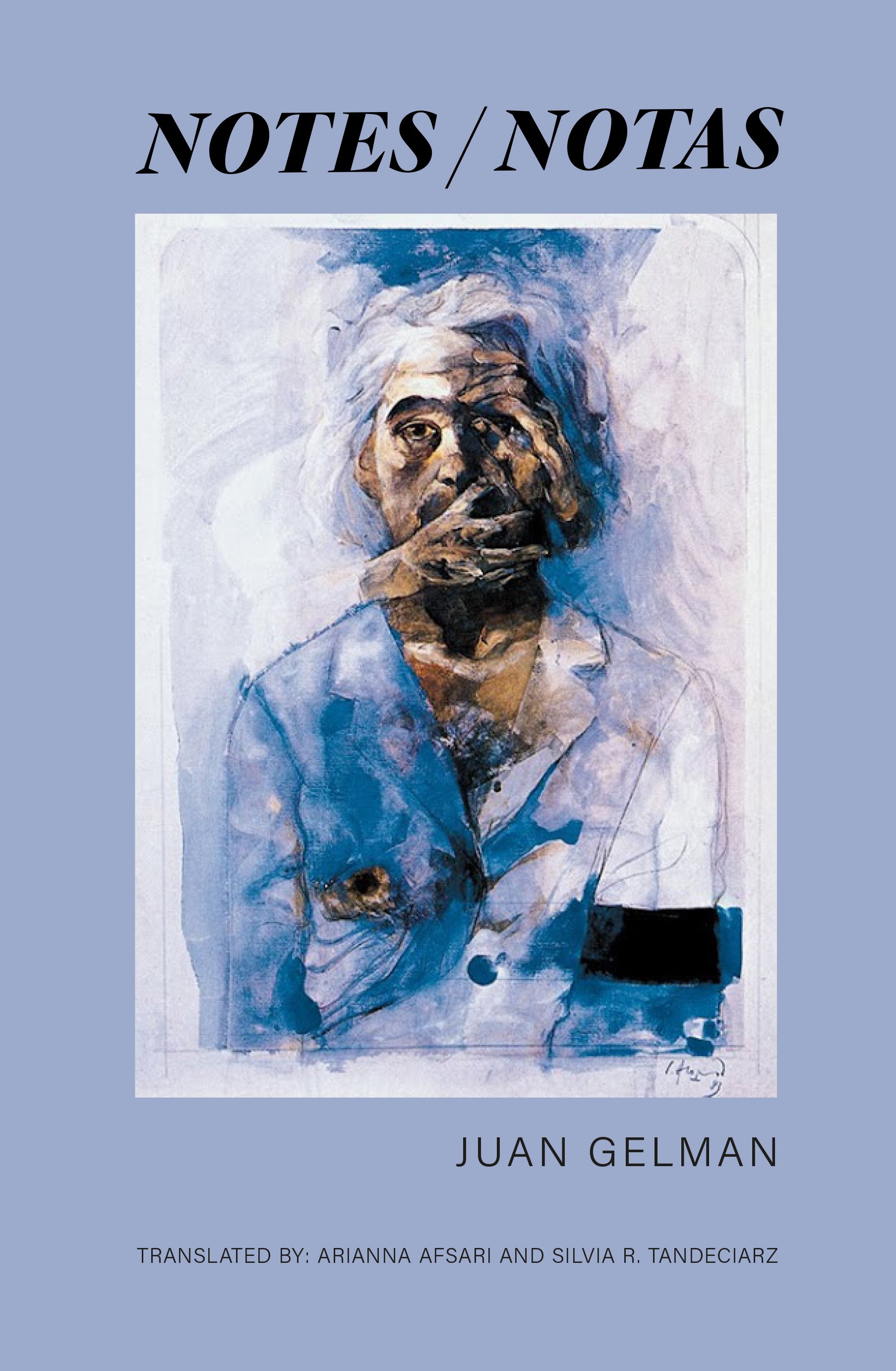
 Image 1 of 1
ISBN: 9781068488054
87 pages
Date published: 09/07/2026
Royal paperback
For fans of: For fans of: Pablo Neruda, Jorge Luis Borges, Octavio Paz
Praise:
‘Juan Gelman’s poems bring us to a state of mind, at once thoughtful and instinctive, forcing us to search for what we really are... This state of mind has no need for cries, proclamations, or insults. The ultimate force of Juan Gelman’s words is born from abandoning the surface of pain and anger to penetrate their roots.’ —Julio Cortázar, author of Hopscotch
‘Death is lying when it says Juan Gelman’s no longer here. He’s still alive in all of us who loved him, in all of us who read him, in all of us who’ve heard in his voice what’s deepest inside of us. We’ll never find words to express our gratitude to the man who was many, who was us, and still is, in the words he left us.’ —Eduardo Galeano, author of Open Veins of Latin America
‘This book is devastating. In Afsari and Tandeciarz's masterful translation, we are able to encounter Gelman's experimental use of language, and the full extent of his refusal of the official state discourse.’ —Juana Adcock, author of I Sugar the Bones
‘Gelman’s broken poems capture the way the victims of Argentina’s murderous military Junta go on 'livdying'. His precision is that of someone taking notes while daring to face the void head on. In both their original, tortured Spanish and their beautifully attentive English versions, the effect is feverish, hallucinatory.’ —Mónica de la Torre
‘Gelman’s poetry is epic in its scope—no corner of life goes unnoticed in this work... Rendered in a breathless style, this is the diary of a human heart in a rough world where artistry is the first salvation.’ —Oscar Hijuelos, Winner of the Pulitzer 1990
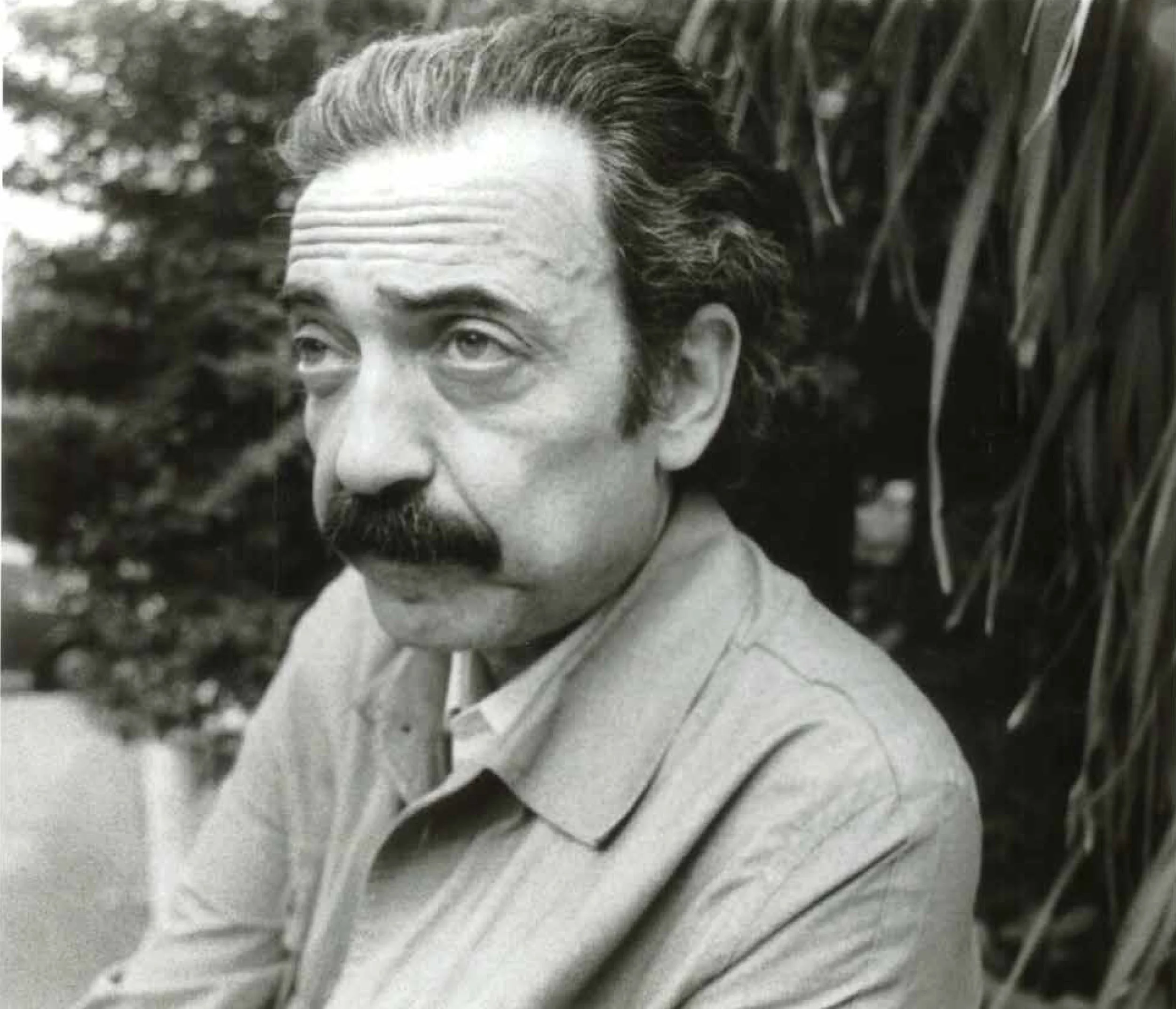
Photo by Enrique Hernández D'Jesús
Bios:
Juan Gelman (1930-2014) has been widely hailed as one of the greatest contemporary Spanish-language poets as well as Argentina’s poet laureate, publishing more than twenty books of poetry over the course of his lifetime. In 2007, Gelman became the fourth Argentine to be awarded the Miguel de Cervantes Prize, the most prestigious Spanish-language literary award, following in the footsteps of Jorge Luis Borges, Ernesto Sabato and Adolfo Bioy Casares.
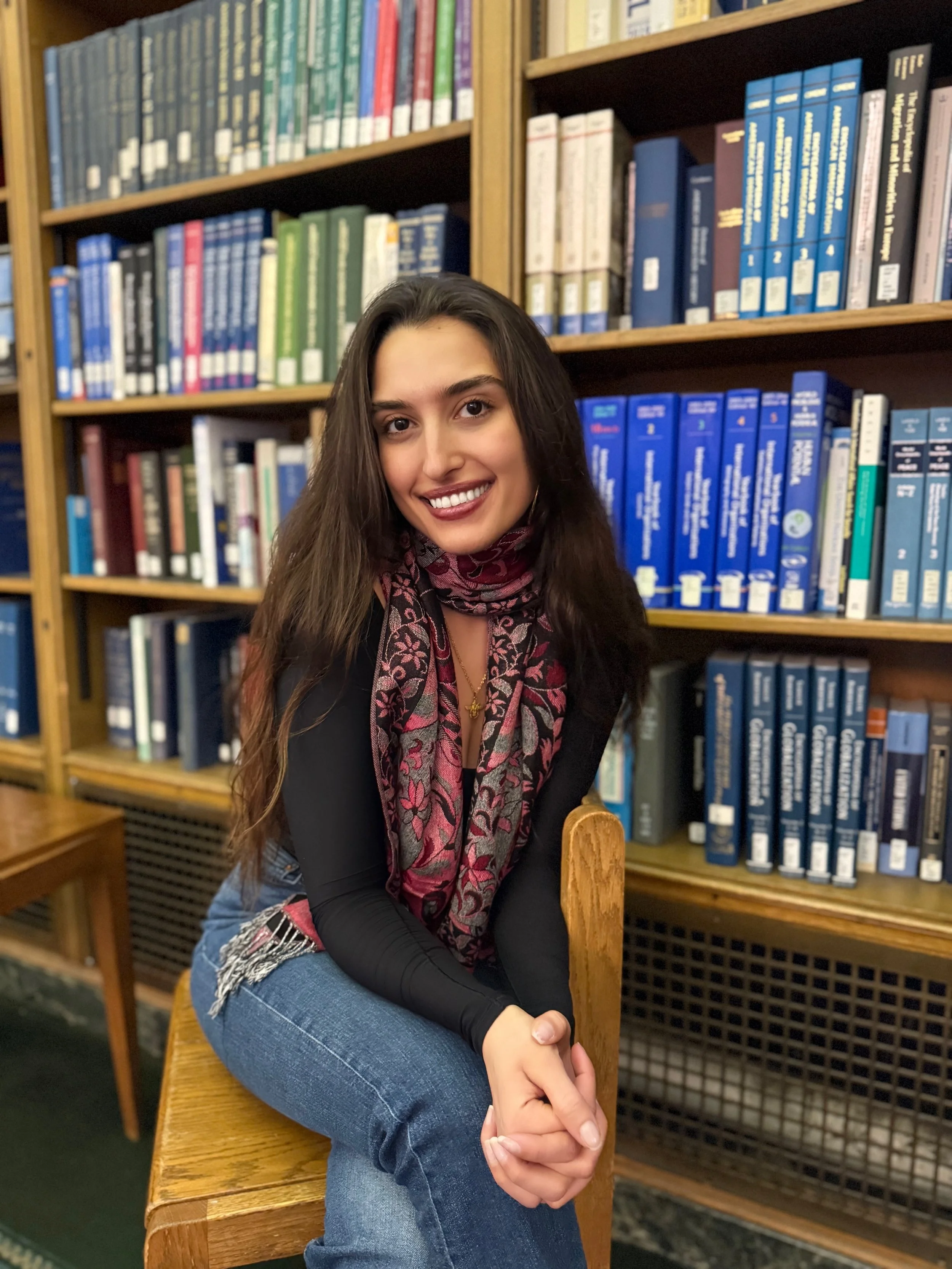
Arianna Afsari is a translator and doctoral candidate in Comparative Literature at the University of Michigan. She examines twentieth-century Latin American guerilla poetry alongside traditions of Persian militant poetics deployed as tools of anticolonial resistance. Her work and translations of the Argentine poet, Juan Gelman, have been published in Absinthe: World Literature in Translation (2023) and LIT: Literature Interpretation Theory (2025).

Silvia R. Tandeciarz is Chancellor Professor of Modern Languages and Literatures and Vice Dean for Social Sciences and Interdisciplinary Studies at William & Mary, where she has worked since 1999. A translator, poet, and scholar in the field of Latin American Cultural Studies, she has published widely on the intersections between memorial and human rights initiatives in post-dictatorship Argentina. Her work in translation includes the critical treatises Masculine/Feminine (Duke University Press, 2004) and The Insubordination of Signs (Duke University Press, 2004), both by the Chilean theorist Nelly Richard, and the Poetry Book Society 2023 Translation Choice selection, Sea In My Bones (the87press, 2023), by Puerto Rican poet Juana Goergen.